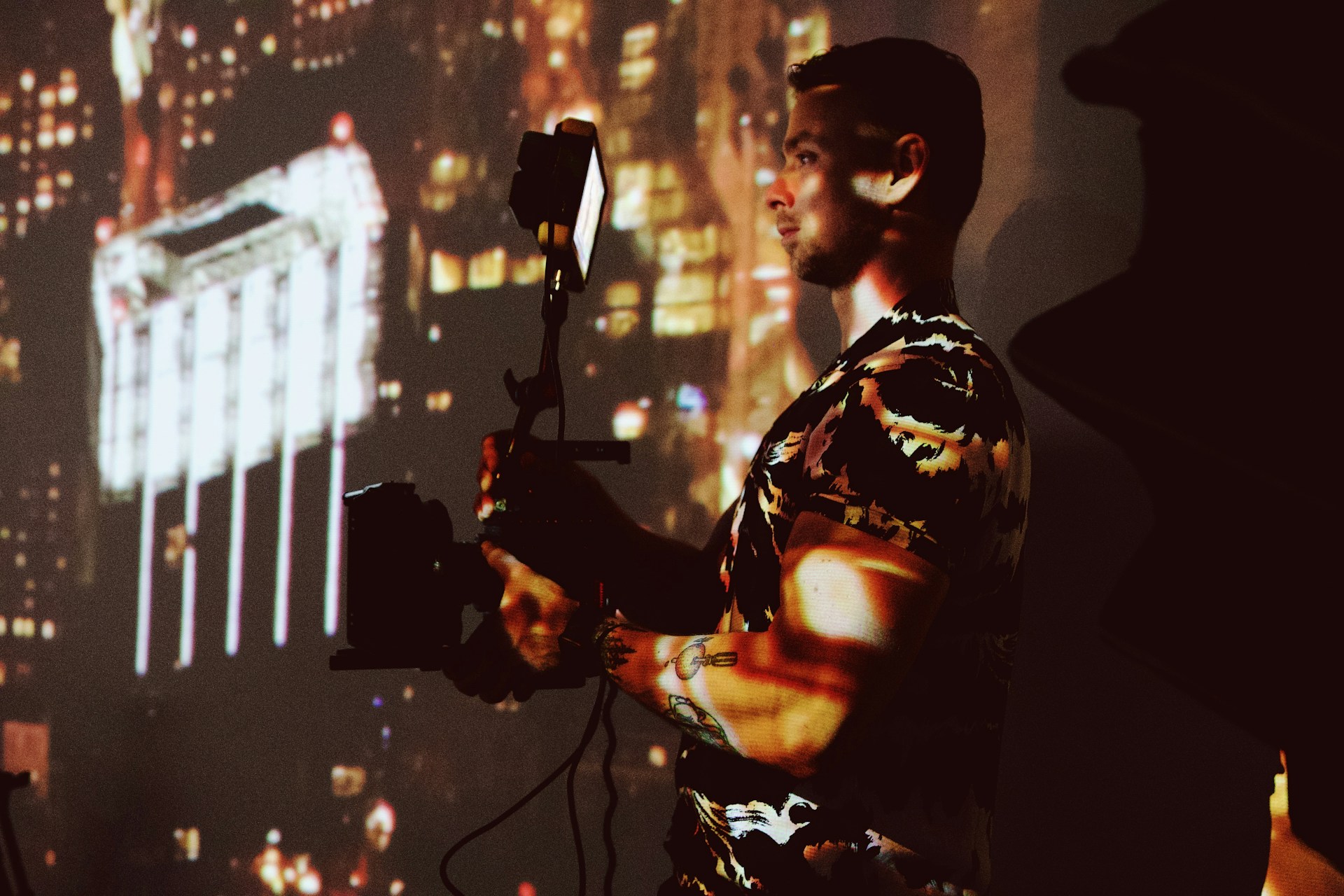
Lighting is one of the most crucial elements in video production. Whether you’re a beginner or a seasoned professional, mastering lighting techniques can dramatically improve the quality of your videos. Explore the essential techniques and tools to help you achieve the perfect lighting for your video projects.
Understanding the Basics of Lighting
The first step to mastering video lighting is understanding its basic principles. Lighting sets the mood, highlights important elements, and ensures that your subjects are visible and look their best. Key aspects to consider include color temperature, intensity, and direction.
Types of Lighting
There are several types of lighting you can use in video production, each serving a different purpose. The key light is the primary light source and sets the overall exposure, usually placed at a 45-degree angle from the subject to create depth and dimension. The fill light reduces shadows created by the key light, is softer, and placed opposite the key light. The back light, positioned behind the subject, helps to separate the subject from the background, adding depth to the shot. Lastly, ambient light refers to the natural or existing light in a scene, which should be controlled or complemented to maintain consistency.
Essential Lighting Techniques
To achieve professional-looking videos, it’s crucial to employ the right techniques. Three-point lighting is a standard method that uses a key light, fill light, and backlight to create a well-lit scene, ensuring your subject is well-defined and free of harsh shadows. Soft lighting uses diffusers or softboxes to create a softer, more flattering light that reduces harsh shadows and highlights. Hard lighting uses a direct, focused light source to create strong contrasts and dramatic effects, often used in more artistic or intense scenes. Color temperature management involves adjusting the color temperature of your lights to create different moods, with warmer temperatures giving a cozy feel and cooler temperatures creating a more clinical or modern look.
Tools for Lighting
Having the right tools is essential for effective video lighting. LED lights are versatile and energy-efficient, popular for their ability to produce various color temperatures and intensities. Softboxes and diffusers help soften light, creating a more natural and even illumination. Reflectors are useful for bouncing light onto your subject, helping to fill in shadows without the need for additional lights. Light stands and mounts are crucial for properly positioning your lights, providing stability and flexibility in light placement.
Maximizing Natural Light
Sometimes, natural light can be your best friend. The golden hour, shortly after sunrise or before sunset, offers soft and warm light perfect for filming. Overcast days provide cloudy skies that act as a giant diffuser, creating even, soft light ideal for shooting. Window light can be a great source of natural light; positioning your subject near a window can provide beautiful, natural light, and using sheer curtains can diffuse harsh light. By understanding and utilizing these natural light opportunities, you can enhance the quality of your video production without additional artificial lighting.
Take Your Lighting Skills to the Next Level
Mastering lighting for video production takes practice and experimentation. By understanding the basics, utilizing the right tools, and employing effective techniques, you can elevate the quality of your videos. Don’t be afraid to try new setups and adjust based on your needs. Good lighting can make a significant difference, turning an average video into a professional-quality production.
